
Compare the symptom with the setup
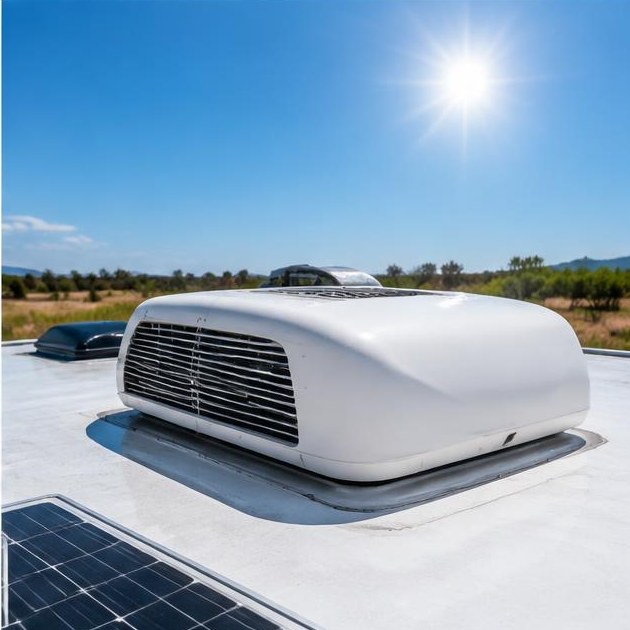
An RV that feels warm inside can have an airflow issue, a power problem or an equipment fault. The rig’s layout, shade and air distribution also affect comfort. Describe whether the A/C blows warm air everywhere or only certain areas feel uncomfortable. Note whether the unit runs continuously, cycles unexpectedly or sounds different. Avoid concluding that replacement is the only answer from the temperature alone. Robert can discuss diagnosis for the installed rooftop unit.
Check accessible airflow safely
Follow the appliance instructions for filters and accessible vents. A restricted filter or blocked return changes how air moves through the system. Do not remove rooftop covers or reach into running equipment to investigate. Keep interior openings clear and note whether a particular duct is not moving air as expected. If the unit is making a new mechanical sound, stop repeated testing and describe it when calling. Safe observations can narrow down the conversation without opening electrical equipment.
Treat power concerns seriously
Campground power conditions and the RV’s electrical setup matter to A/C operation. If you notice repeated breaker trips, damaged connections or abnormal behavior, do not bypass protection or keep resetting equipment without understanding why. Use the monitoring equipment and instructions appropriate to your rig. A breaker protects a circuit; replacing it with a larger one is not a troubleshooting method. Share whether the symptoms occur at one campsite or persist elsewhere so Robert understands the pattern.
Ice is a symptom to discuss
Ice appearing on or around the unit needs a look at airflow and equipment operation. Do not chip it away with tools or keep forcing the system to run as usual. Follow the manufacturer’s instructions and explain what you can see safely. Tell Robert whether cooling changed first, the fan sound changed or the problem followed a long operating period. Different faults can present in a similar way, so a photograph and the model information help more than a guessed diagnosis.
Prepare for the next hot-weather trip
Test the cooling system before loading the RV for a lake weekend, especially after a long period in storage. If you are heading through Ardmore toward Lake Murray, consider the equipment you will depend on at your campsite. Have the unit model, RV details and parking location ready when requesting service. R&C offers mobile A/C service and repair, along with electrical troubleshooting and inspections. Findings and proposed work are explained before a decision about repair or replacement.
Reduce the heat entering the living space
Cooling performance is easier to judge when the RV is set up consistently. Use interior shades to limit direct sunlight and close exterior doors instead of repeatedly letting hot air into the cabin. Keep supply outlets and returns unobstructed by luggage, bedding or hanging towels. If the equipment manual describes adjustable registers, distribute airflow using those controls rather than sealing random openings. Consider the sun’s position when choosing a site, but do not extend an awning in unsuitable wind simply to create shade. Begin cooling according to the unit’s operating guidance before the interior becomes deeply heat-soaked. Record the conditions during a test: strong afternoon sun and an already hot cabin create a different starting point from a shaded morning. These observations help separate heat load from a change in equipment behavior.
Build a useful cooling observation log
A single thermostat reading provides less context than a short record taken under similar conditions. Choose a safe indoor thermometer location away from direct sun and the immediate blast of a supply vent. Note the thermostat setting, approximate outdoor conditions and whether doors remain closed. Identify which unit is operating if your RV has more than one. Avoid reaching into a duct or removing a cover to take a measurement. The aim is to describe comfort and operating patterns, not perform a refrigerant test. Keep the log brief enough to repeat without interrupting normal use.
- Record the time, cabin temperature and selected cooling mode.
- Note whether airflow seems steady at the same interior outlets.
- List major electrical appliances running during the observation.
- Describe cycling, unusual sounds or a change after prolonged operation.
- Stop the test if a burning odor, protection trip or other unsafe condition appears.
Notice where condensation appears
Moisture location can help distinguish ordinary drainage from water entering the living space. Follow the unit’s guidance about expected condensate discharge for its installation. Water dripping inside, staining around the ceiling assembly or a newly damp cabinet needs attention rather than a towel left in place indefinitely. Note whether the moisture appears only during cooling or also during rain with the system off. That timing is useful because rooftop seals and cooling drainage involve different possibilities. Do not tighten mounting hardware at random or push wire into a drain opening; either action can create additional damage. Photograph the interior evidence from floor level and protect belongings without touching wet electrical parts. Give the technician the timing and location so the inspection can address the water path as well as the cooling complaint.
Plan for people and pets if cooling stops
A hot RV can become unsuitable for occupants while a fault is being investigated. Arrange a cooler place for children, vulnerable adults and pets rather than leaving them inside while you run repeated tests. Remote temperature monitoring helps you notice changing conditions; arrange a person nearby who can check the RV and move occupants to a cooler place. If you use a generator, follow all placement and exhaust-clearance instructions and never run it in an enclosed area. Avoid routing exhaust toward neighboring campsites or occupied openings. Keep carbon-monoxide alarms maintained and do not improvise an electrical connection to regain cooling. Once everyone is safe, collect the operating history and arrange diagnosis. A backup plan should specify where occupants can go, not merely which thermostat setting to try next if the cabin continues getting warmer.